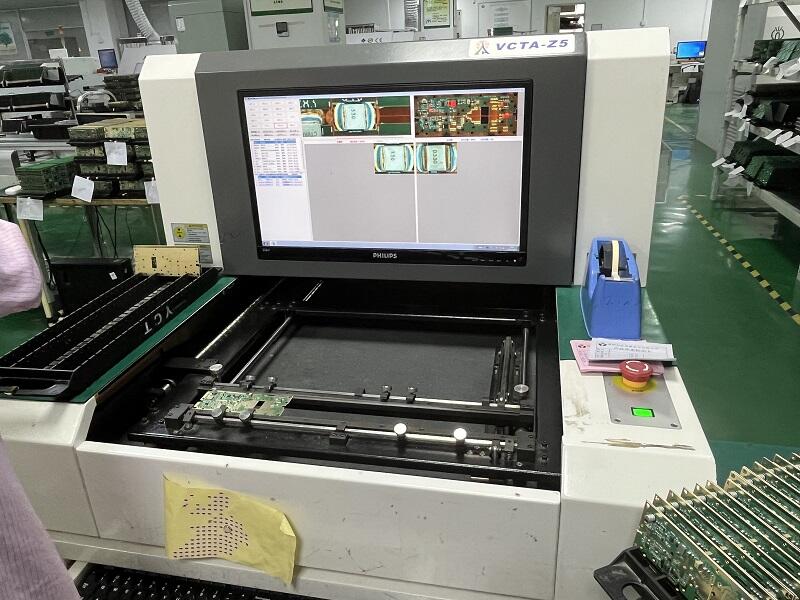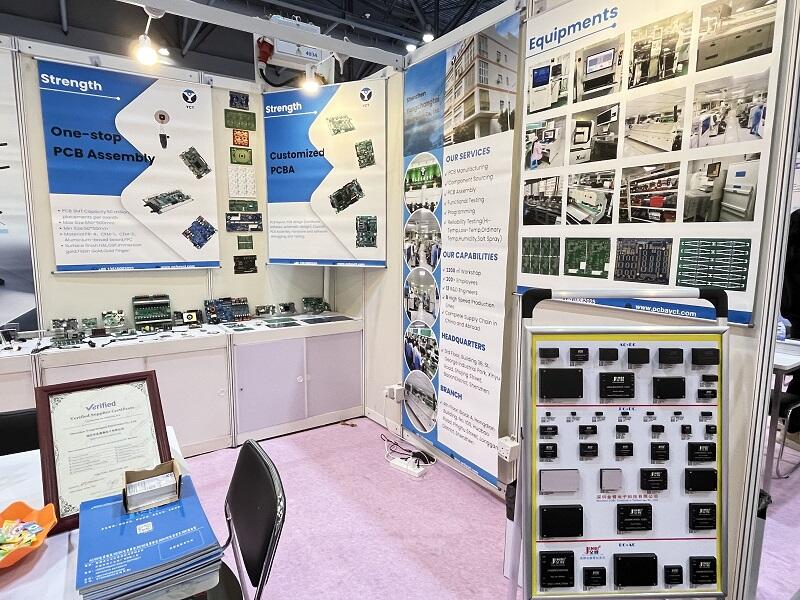
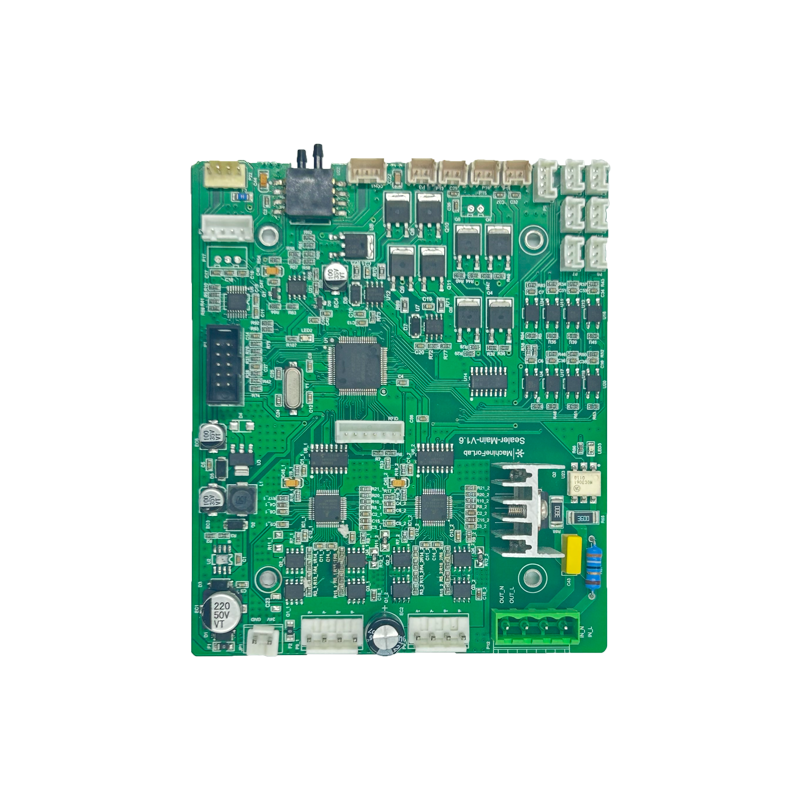
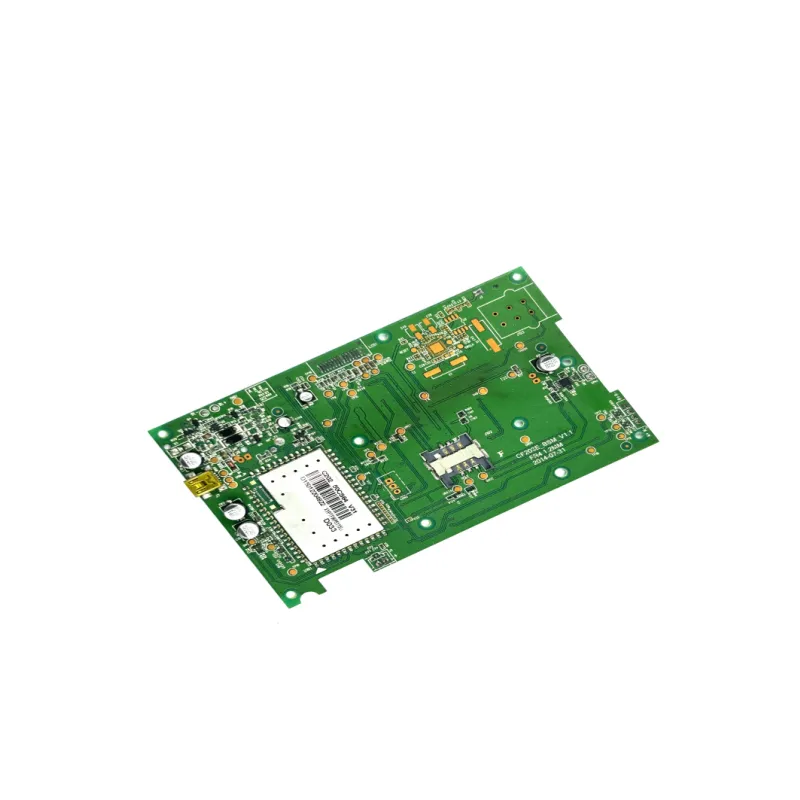
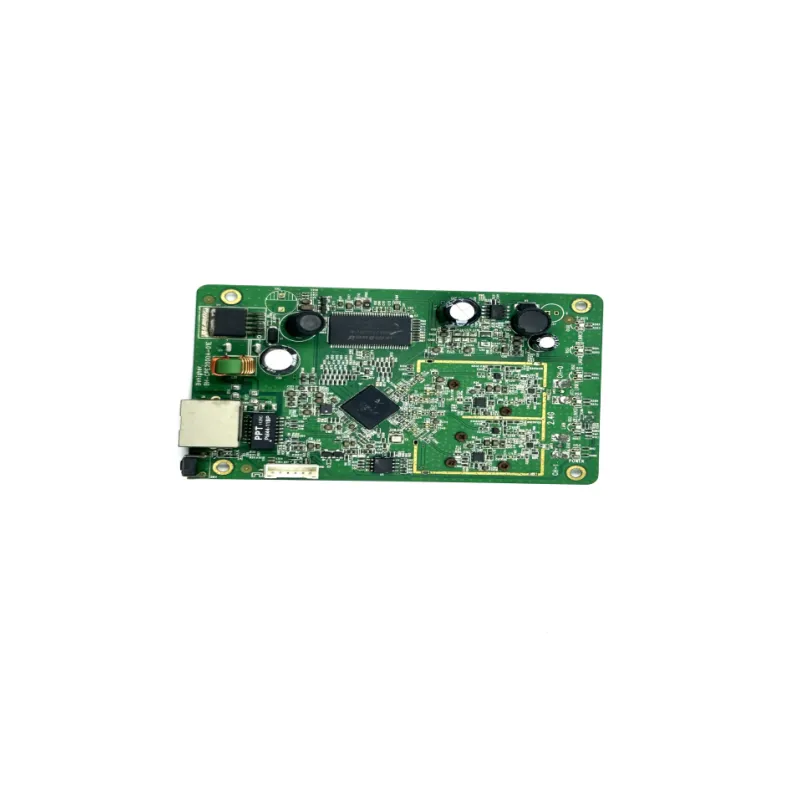
Industrial control PCB assembly is a specialized segment of the PCB assembly industry, designed to meet the unique requirements of industrial automation, control systems, and machinery. Industrial environments are often harsh, with factors such as high temperatures, humidity, vibration, and electromagnetic interference (EMI) posing challenges to the reliability of electronic components and assemblies. For industrial control PCB assembly, components are selected based on their ability to withstand these harsh conditions. Components with high temperature ratings, ruggedized enclosures, and immunity to EMI are preferred. The PCB design itself also takes into account these environmental factors. For example, proper grounding and shielding techniques are used to minimize EMI interference. Thermal management is crucial, and heat dissipating features such as heat sinks, thermal vias, and enhanced copper areas for better heat conduction may be incorporated into the PCB design. The assembly process for industrial control PCBs also emphasizes durability and reliability. Conformal coating is a common practice, where a protective layer is applied to the assembled PCB to safeguard it from moisture, dust, and chemical contaminants. In addition, mechanical reinforcement techniques may be used, such as adding support brackets or potting sensitive components to prevent damage from vibration. Testing for industrial control PCBs is more comprehensive compared to consumer grade PCBs. In addition to standard electrical tests, industrial PCBs are subjected to environmental testing, such as temperature cycling, humidity testing, and vibration testing. These tests simulate the real world operating conditions of the industrial equipment in which the PCBs will be installed. Functional testing is also more rigorous, as any malfunction in an industrial control system can have serious consequences, such as production downtime or safety hazards. Industrial control PCB assembly often requires compliance with industry specific standards and regulations. For example, in the automotive industry, PCBs used in engine control units (ECUs) must meet the requirements of IATF 16949. In the process control industry, PCBs may need to comply with standards such as IEC 61131 for programmable logic controllers (PLCs). By adhering to these standards and implementing robust design and assembly practices, industrial control PCB assembly ensures the reliable operation of industrial equipment in demanding environments.
 EN
EN