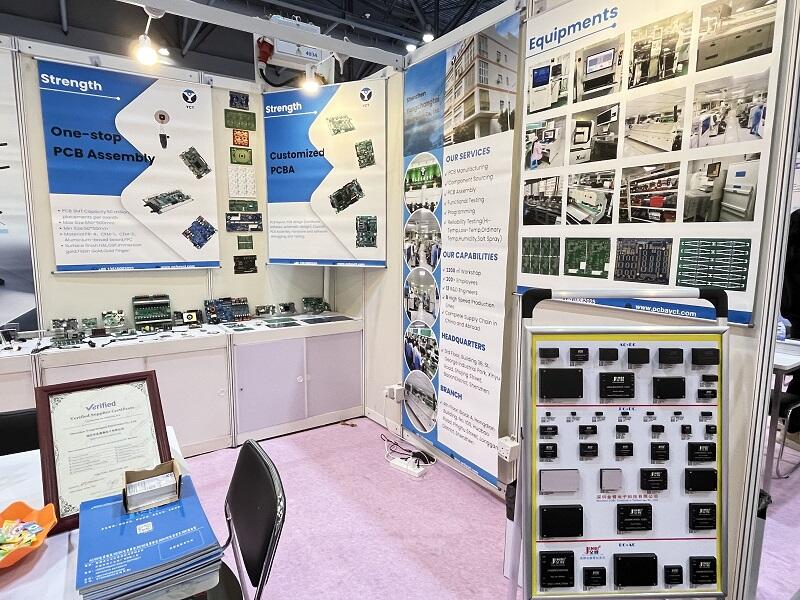
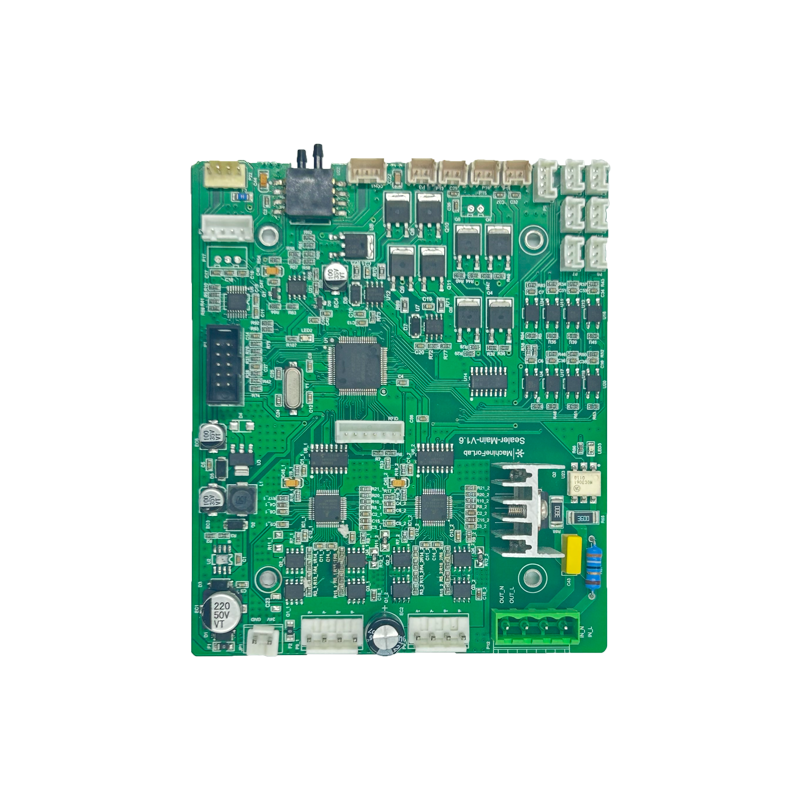
Medical PCB assembly is a specialized segment of the PCB assembly industry that focuses on creating electronic assemblies for medical devices, which must meet the highest standards of quality, safety, and regulatory compliance. This includes devices such as MRI machines, patient monitors, insulin pumps, and surgical robots, each with unique requirements for performance and reliability. One of the primary challenges in medical PCB assembly is ensuring compliance with international medical device regulations. Assemblers must maintain strict quality management systems, often certified to ISO 13485, and follow good manufacturing practices (GMP). Component traceability is critical, with detailed records kept of every component's origin, lot number, and testing results to facilitate recall management and regulatory audits. Material selection in medical PCB assembly is governed by the device's application. For example, PCBs in implantable devices may use biocompatible materials like PEEK or ceramic substrates to prevent adverse biological reactions, while external medical devices may require materials with high thermal conductivity to manage heat generated by high power components. Components are selected for their long term reliability, with a focus on avoiding obsolete parts that could disrupt the supply chain for long lifecycle medical devices. Assembly processes for medical PCBs incorporate advanced techniques to ensure durability and performance. Conformal coating is commonly applied to protect against moisture, chemicals, and dust, especially for devices used in operating rooms or home healthcare environments. Underfill is used for BGA components to enhance their mechanical strength and resistance to thermal cycling, which is crucial for devices that may experience temperature fluctuations. Testing protocols in medical PCB assembly are rigorous and comprehensive. In addition to standard electrical tests, medical PCBs undergo functional testing that simulates the device's intended use, such as measuring signal accuracy in diagnostic equipment or verifying the timing of pulses in pacemakers. Environmental testing includes exposure to extreme temperatures, humidity, and mechanical vibrations to ensure the PCB can withstand the rigors of its operational environment. Medical PCB assemblers also need to be proficient in miniaturization and high density integration, as many medical devices are becoming smaller and more portable. They can fabricate and assemble PCBs with microvias, blind/buried vias, and HDI structures to accommodate the increasing number of components in compact designs. Flexible and rigid flex PCBs are often used in wearable devices to conform to the body's shape or fit into tight spaces. Collaboration with clients is key in medical PCB assembly, as understanding the device's intended use and regulatory requirements is essential for success. Assemblers work closely with medical device manufacturers during the design phase, providing DFM and DFT feedback to ensure the PCB can be manufactured to the required standards. This partnership ensures that the final assembly is not only functional but also meets the strict safety and performance criteria of the medical industry.
 EN
EN