
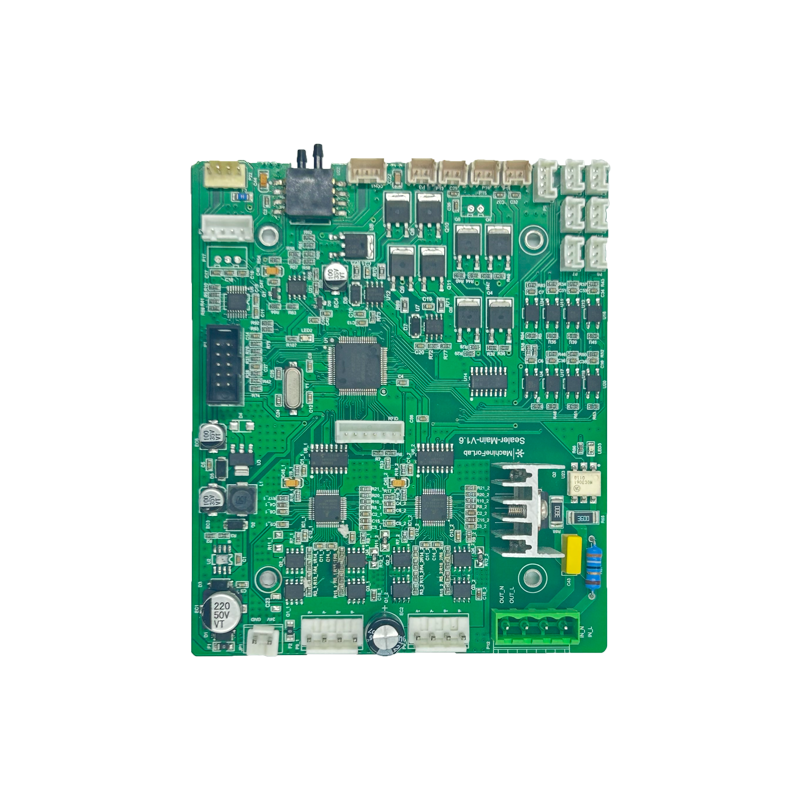
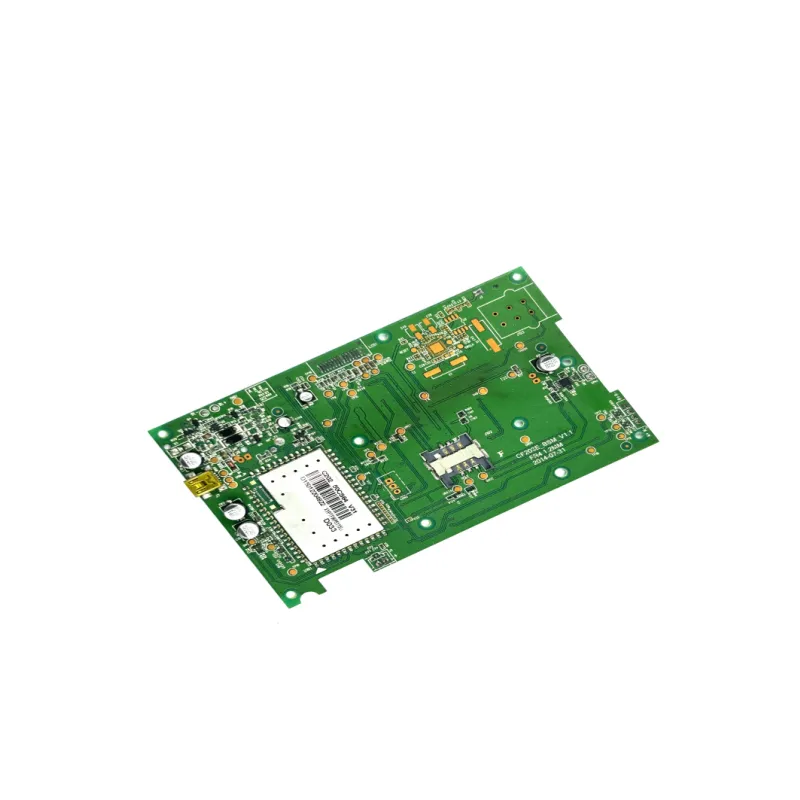
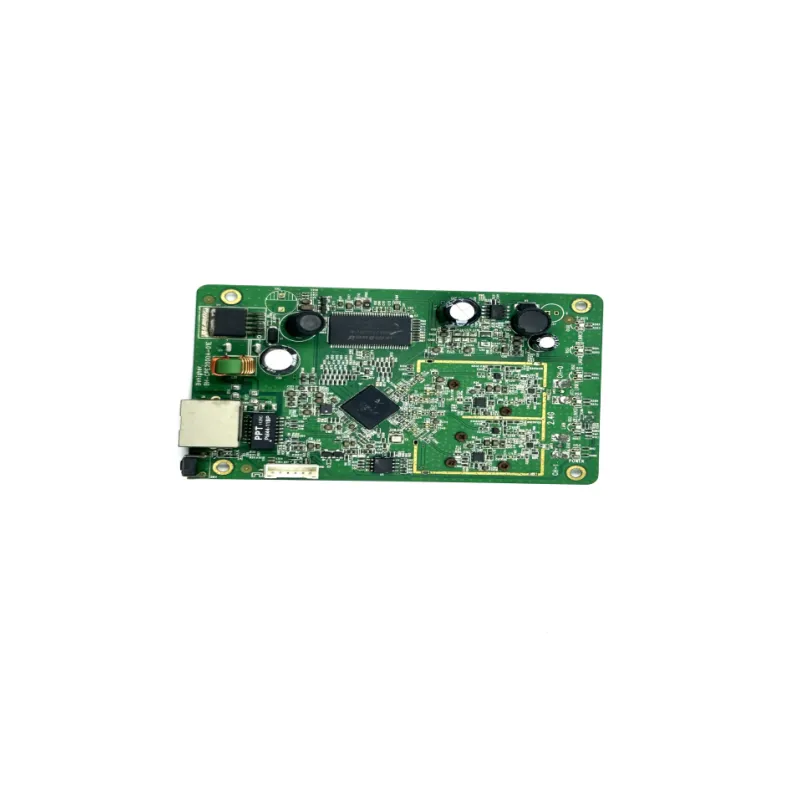
Automated PCB assembly has revolutionized the electronics manufacturing industry by enabling high precision, high speed production of printed circuit board assemblies. This process relies on advanced robotic and mechanical systems to perform repetitive tasks with minimal human intervention, ensuring consistency, efficiency, and reduced labor costs. The foundation of automated PCB assembly is the use of high tech equipment. Solder paste printing is the first step, where automated stencil printers apply a precise layer of solder paste onto the PCB pads. These printers use laser alignment and closed loop feedback systems to achieve accuracy within 卤12.5 microns, crucial for fine pitch components. Next, pick and place machines, equipped with multiple nozzles and vision systems, pick up components from reels or trays and place them onto the solder paste coated pads with sub 50 micron positional accuracy. Modern machines can handle thousands of components per hour, including the smallest 01005 passives and complex BGAs. Reflow soldering for SMT components is another automated process, where PCBs are passed through a reflow oven with multiple temperature zones. The oven's software controls the heating and cooling profiles to melt the solder paste and form strong connections, with real time monitoring to ensure thermal uniformity. For THT components, wave soldering machines use a pump to create a wave of molten solder, which flows over the component leads inserted through the PCB holes, creating reliable joints. Quality control in automated PCB assembly is highly systematic. AOI systems use cameras and image processing algorithms to inspect the assembled boards for surface defects, such as missing components, misalignment, or solder defects. X ray inspection systems, including 2D and 3D tomography, are used to examine hidden solder joints in BGAs and other package types, ensuring no internal defects go undetected. In line testing systems, such as ICT and FCT, are integrated into the production line to test the electrical functionality of the PCBs automatically. Automated PCB assembly also benefits from advanced software solutions for production planning and control. Manufacturing execution systems (MES) track the progress of each board through the production line, manage inventory in real time, and collect data for process optimization. This level of automation reduces human error, enhances production throughput, and allows for quick changeovers between different products, making it ideal for both high volume production and mixed model manufacturing. Industries such as automotive, aerospace, and consumer electronics rely heavily on automated PCB assembly to meet the demands for high reliability, high density assemblies. The combination of advanced equipment, precise processes, and strict quality control makes automated PCB assembly the standard for modern electronics manufacturing, enabling the production of complex PCBs with unprecedented speed and accuracy.
 EN
EN