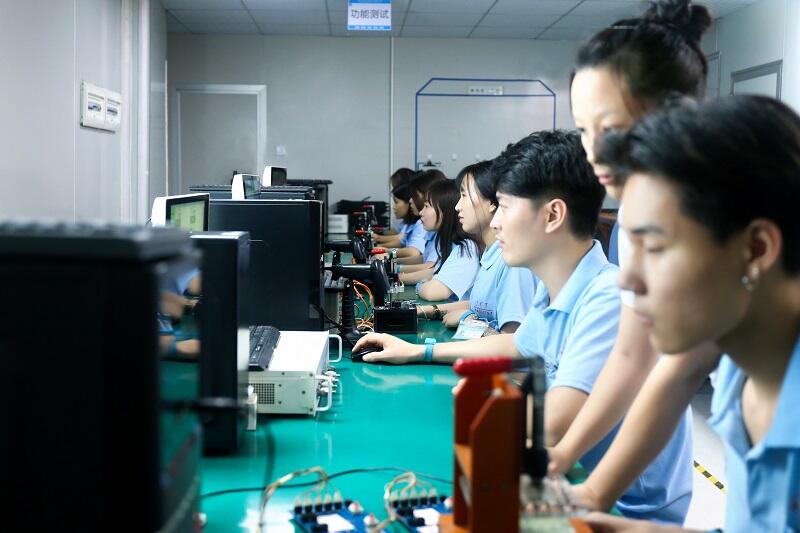
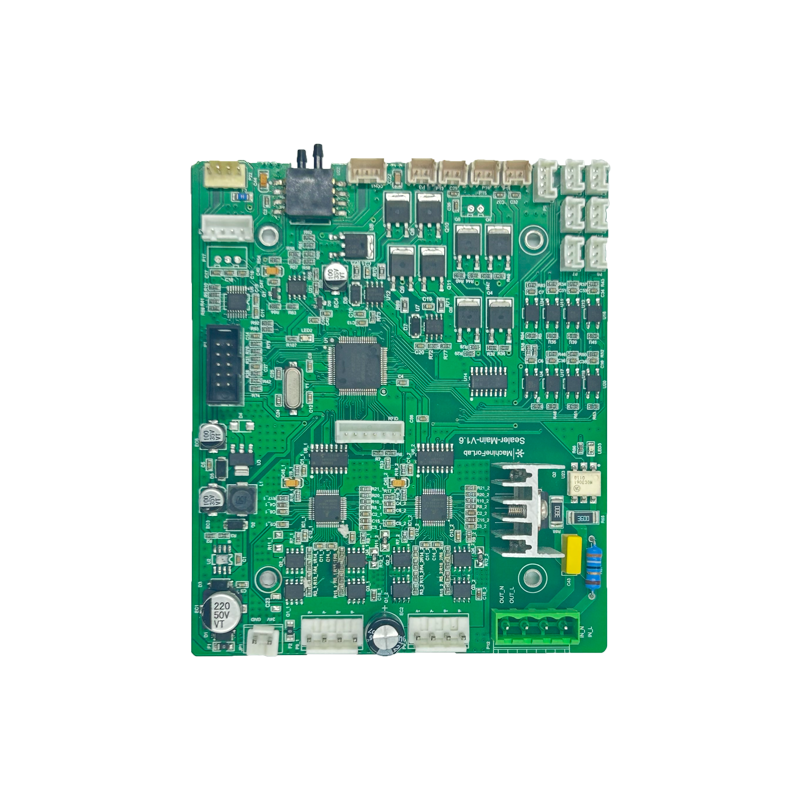
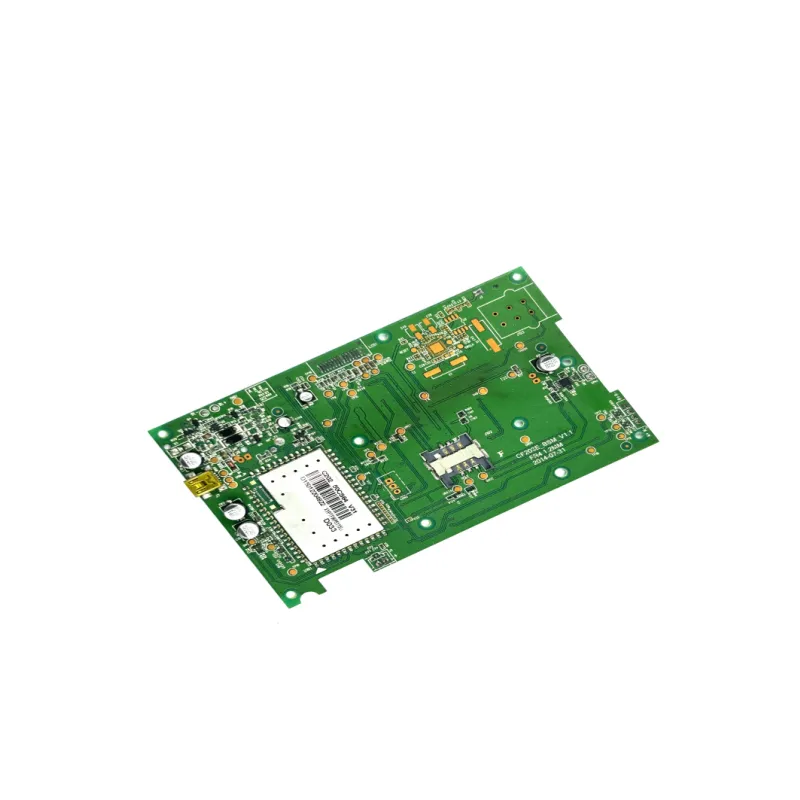
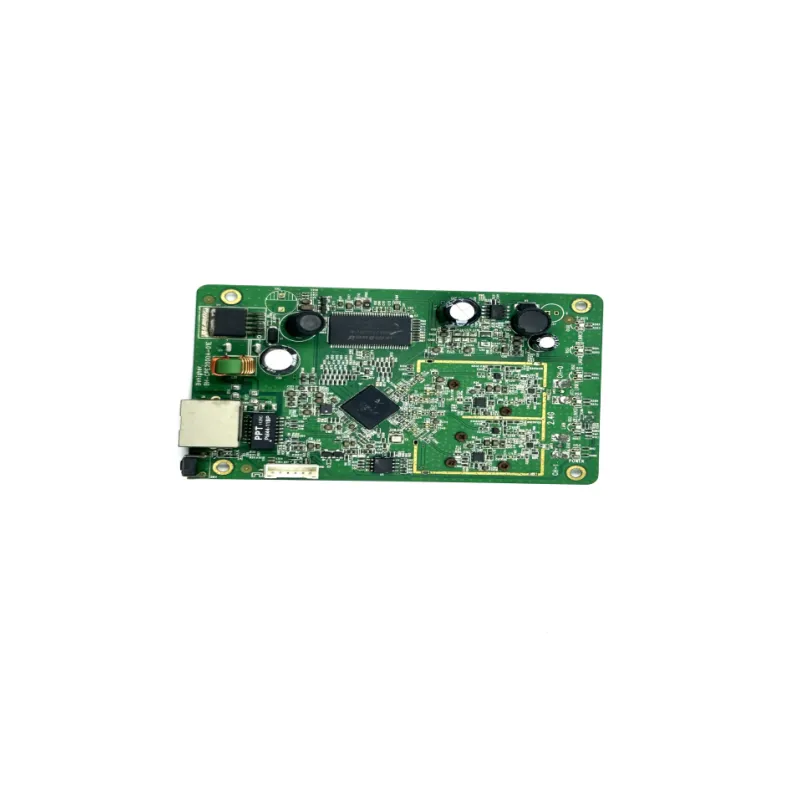
PCB components assembly is the core process of integrating electronic components onto a printed circuit board, forming the basis of all electronic devices. This process involves two main technologies: surface mount technology (SMT) and through hole technology (THT), each with its own advantages and applications. SMT is the most widely used method today, accounting for over 90% of component placements. It starts with applying solder paste to the PCB pads using a stencil printer, which ensures a precise and uniform layer. Automated pick and place machines then place surface mount components, such as resistors, capacitors, and ICs, onto the solder paste. These machines use vision systems to align components accurately, even for tiny 01005 parts (0.4mm x 0.2mm) and fine pitch BGAs with pitches as small as 0.3mm. The PCB is then passed through a reflow oven, where the solder paste melts and forms permanent connections between the components and the PCB. SMT offers high component density, small form factor, and compatibility with automated assembly, making it ideal for consumer electronics and high speed digital circuits. THT, while less common than SMT, is still essential for components that require robust mechanical connections or high current/voltage handling, such as power inductors, transformers, and connectors. In THT assembly, component leads are inserted through holes in the PCB, and soldered on the opposite side using wave soldering. The PCB is passed over a wave of molten solder, which flows around the leads to create strong joints. THT components are typically larger and more visible, making them easier to repair or replace, but they occupy more space and are less suitable for high density boards. Mixed technology assembly combines SMT and THT on the same PCB, leveraging the benefits of both technologies. SMT components are placed and reflowed first, followed by THT component insertion and wave soldering. This requires careful planning to ensure that the layout allows for both types of components without interference, and that the soldering processes do not damage previously installed components. Quality control in PCB components assembly is critical to ensure reliable connections. AOI systems inspect SMT components for misalignment, missing parts, and solder defects, while X ray inspection is used for hidden joints in BGAs and other complex packages. For THT components, visual inspection and pull tests may be performed to check the mechanical strength of the joints. In circuit testing is used to verify the electrical connectivity of the entire board, ensuring that all components are properly installed and functioning as intended. As electronic components continue to miniaturize and become more complex, PCB components assembly processes are evolving to keep up. Advanced techniques like 3D component placement, embedded components, and flexible PCB assembly are emerging, enabling the creation of more innovative and compact electronic devices. Whether using SMT, THT, or a mix of both, the goal of PCB components assembly is to create a reliable, high performance electronic assembly that meets the design requirements and functions flawlessly in its intended application.
 EN
EN