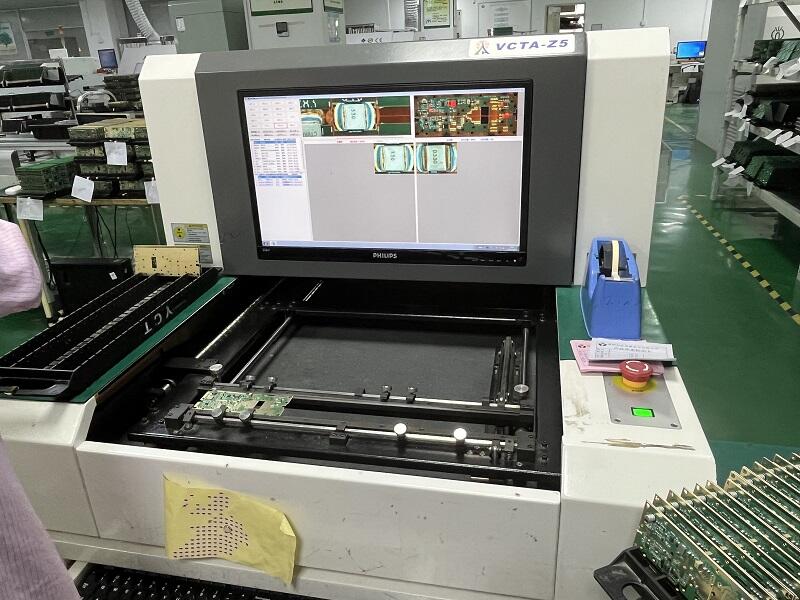
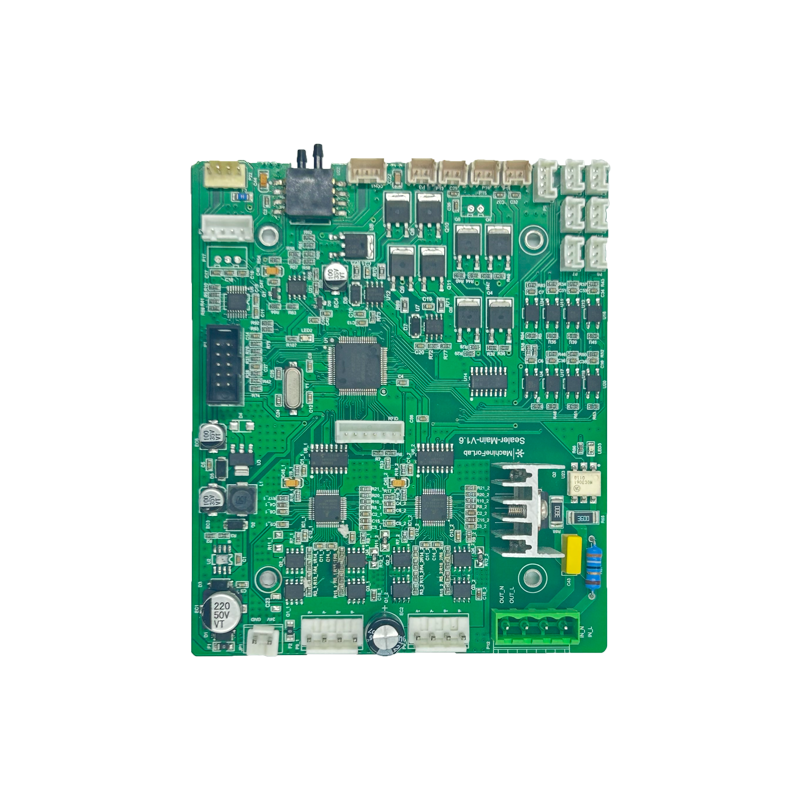
High quality PCB assembly is the cornerstone of reliable electronic products. It encompasses every aspect of the PCB assembly process, from component sourcing to final testing, with an unwavering focus on precision, consistency, and compliance with the highest industry standards. Component sourcing is the first critical step in achieving high quality PCB assembly. Only components from trusted suppliers that meet strict quality and performance criteria are selected. These components are thoroughly inspected upon receipt to verify their authenticity, electrical characteristics, and physical integrity. Any defective or non compliant components are immediately rejected to prevent potential issues during assembly. The assembly process itself is carried out with meticulous attention to detail. Advanced manufacturing equipment, such as high precision pick and place machines and accurate solder paste printers, is used to ensure precise component placement and consistent solder deposition. Skilled technicians oversee the process, making adjustments as needed to maintain the highest level of quality. For complex components, such as fine pitch BGAs, special handling and assembly techniques are employed to avoid soldering defects and ensure proper electrical connections. Quality control measures are integrated at every stage of the assembly process. Automated optical inspection (AOI) is used to detect surface level defects, such as solder bridges, insufficient solder, and misaligned components. X ray inspection provides a more in depth view, allowing for the detection of hidden solder joint defects in components like BGAs and CSPs (chip scale packages). In circuit testing (ICT) and functional testing are also performed to verify the electrical functionality of the assembled PCB. These tests can detect issues such as open circuits, short circuits, and incorrect component values. High quality PCB assembly also adheres to strict industry standards, such as IPC A 610. This standard defines the acceptability criteria for electronic assemblies, covering aspects such as solder joint quality, component placement, and cleanliness. By following these standards, manufacturers can ensure that their assembled PCBs meet the expectations of customers in terms of quality and reliability. Additionally, continuous improvement initiatives are often implemented to identify and address any potential quality issues, further enhancing the overall quality of PCB assembly.
 EN
EN