PCB assembly cost is the total expense to transform bare PCBs into functional electronic products. Multiple factors influence it, and grasping these is key for efficient production and competitiveness.
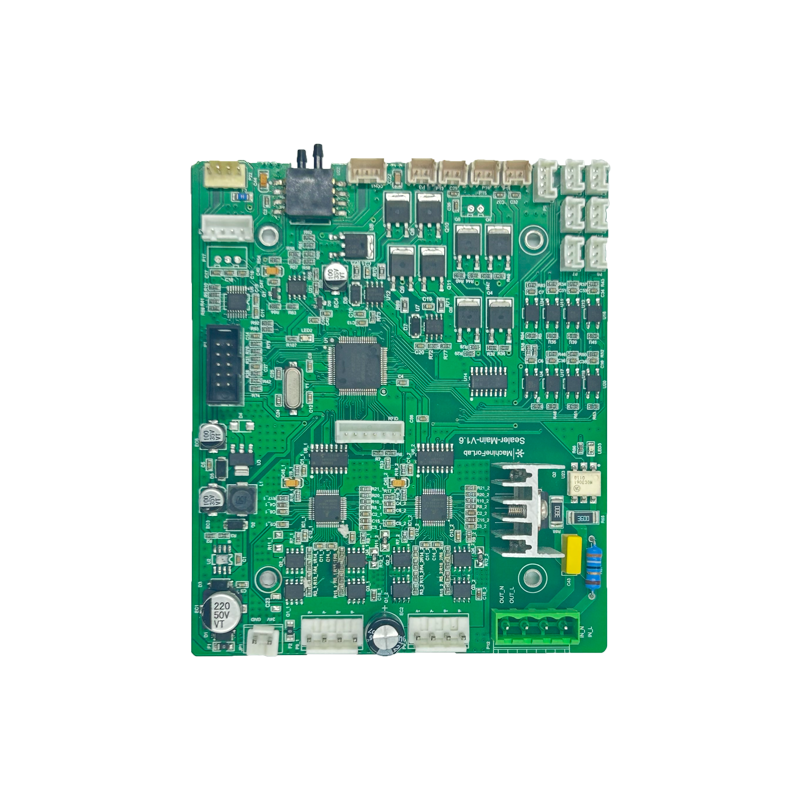
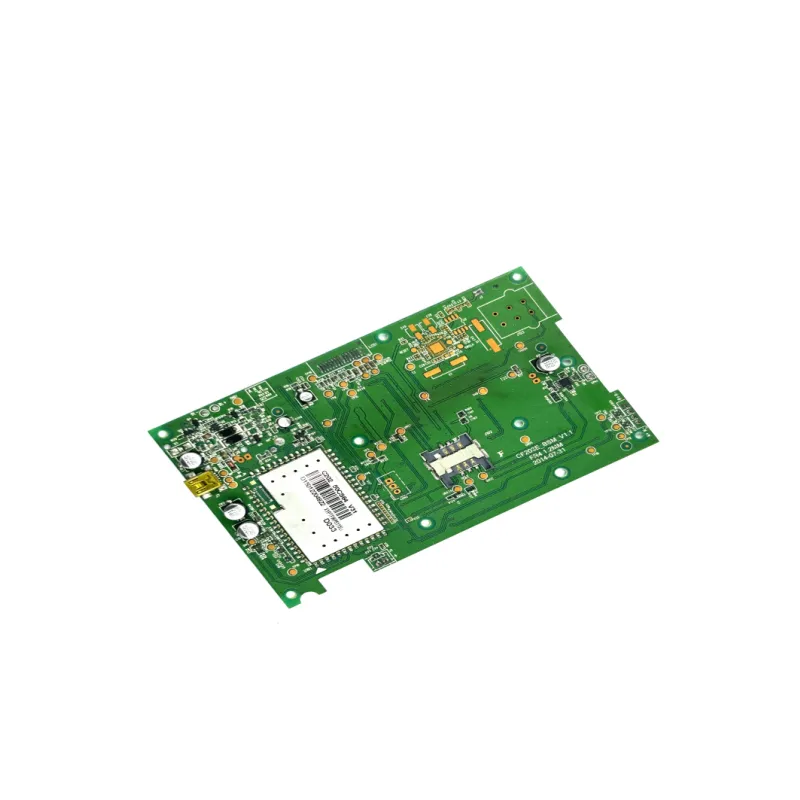
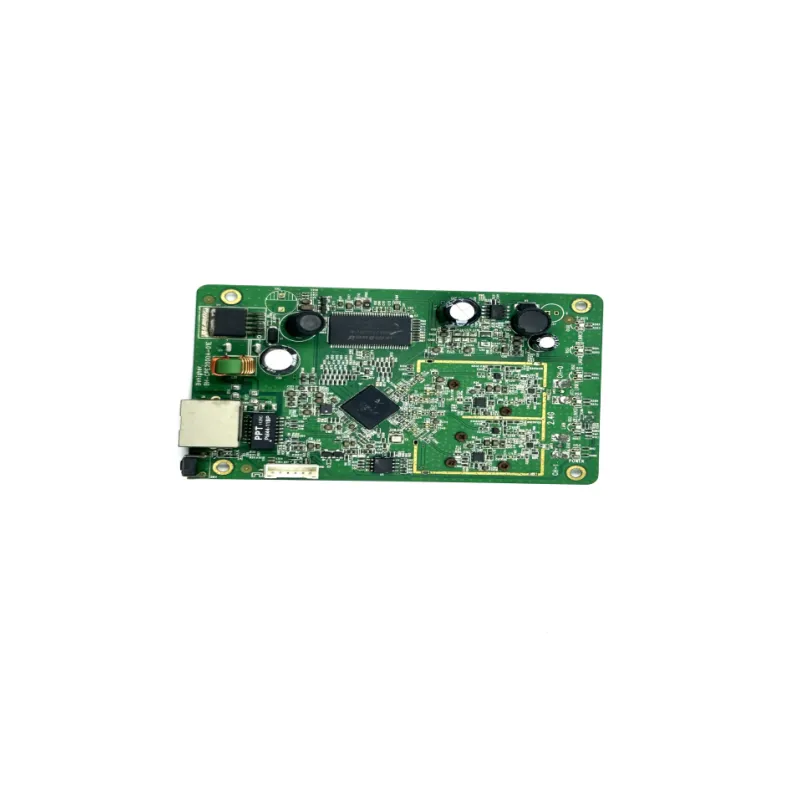
Design complexity matters a lot. Intricate designs with more layers, tiny components, and complex routing need advanced techniques and equipment. High - density interconnect PCBs, for example, demand precise fabrication and assembly, and using special materials like Rogers substrates for high frequency use adds to costs.
Component type and quantity directly affect cost. SMT components are popular for their size and cost, but prices vary based on type, manufacturer, and demand. Specialized ICs can be pricey, and component quantity impacts unit cost; bulk buying reduces it, while small orders may increase it.
Assembly processes contribute to cost. SMT is cost - effective for high - volume production but has high setup costs for complex assemblies. Through - hole assembly, though less common, is labor - intensive and costlier for small runs. Mixed - technology assembly is more complex and expensive.
Quality control is essential but adds cost. Inspection methods like AOI, X - ray inspection, and functional testing require specialized gear and trained staff. However, it prevents costly rework.
Geographical location also plays a role. Labor and overhead costs differ by region. While some areas offer low cost labor, factors like proximity to suppliers and manufacturing infrastructure quality should also be considered.
In summary, PCB assembly cost is influenced by design, components, processes, quality control, and location. Evaluating these factors helps companies balance cost and quality in the electronics market.

 EN
EN