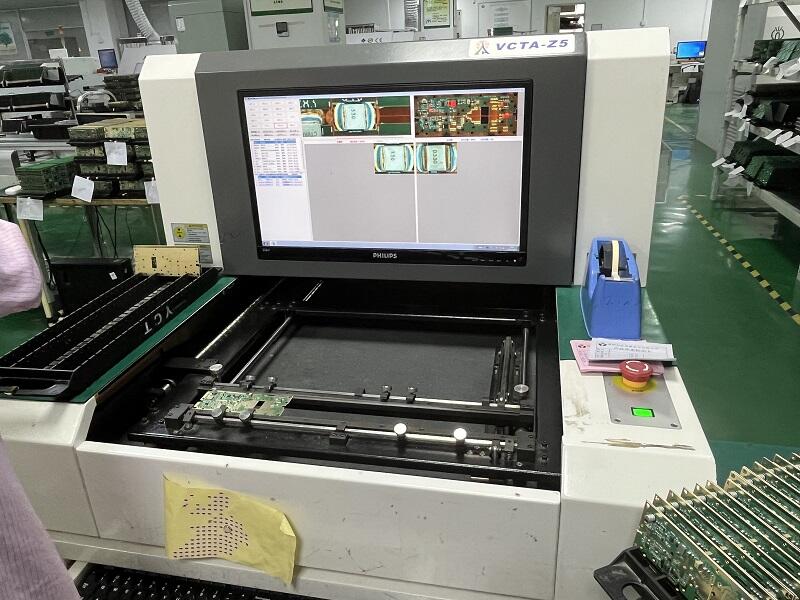
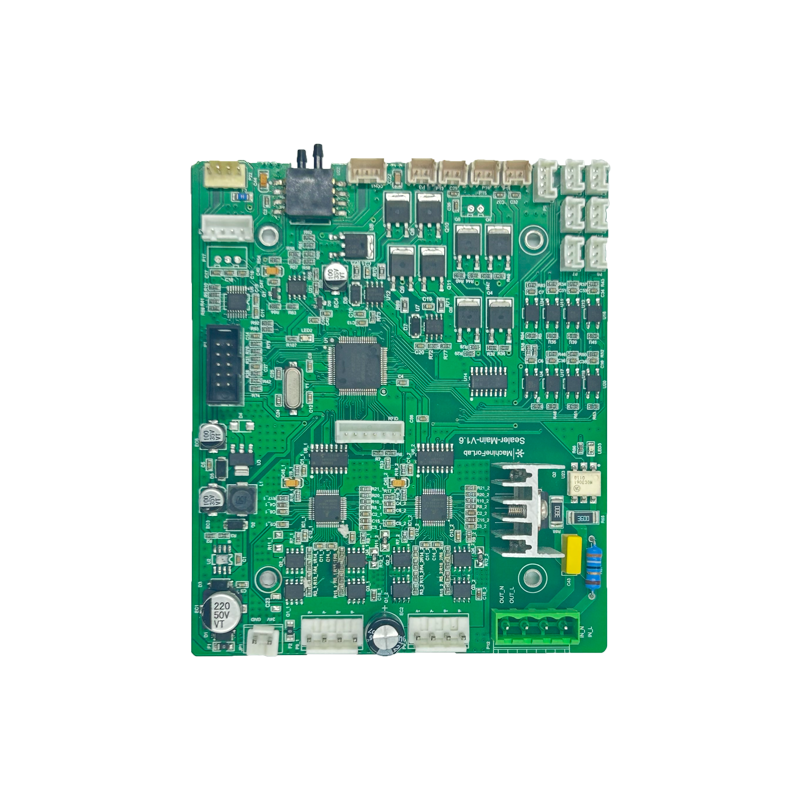
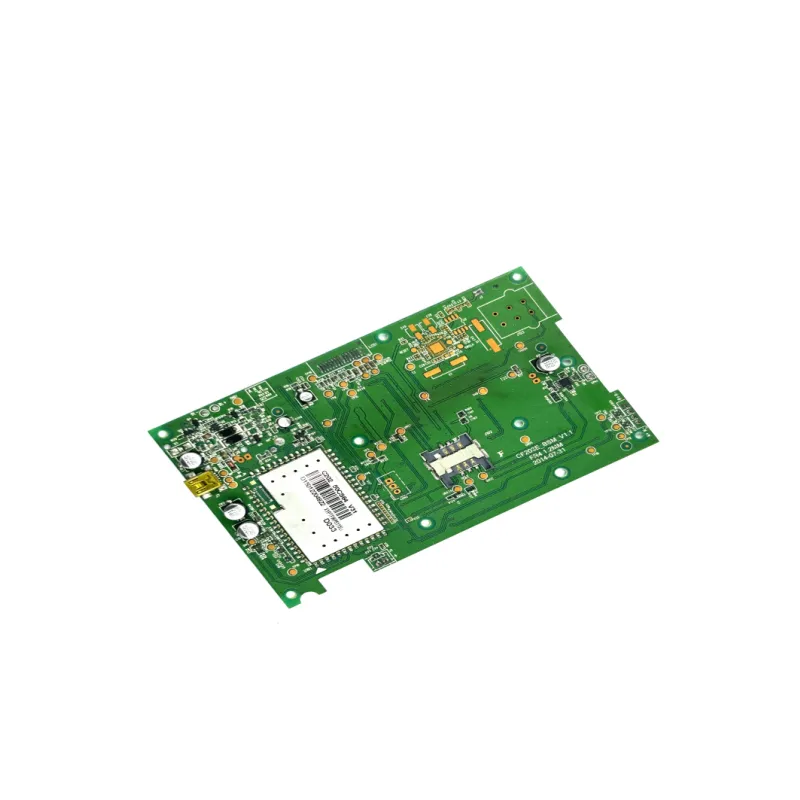
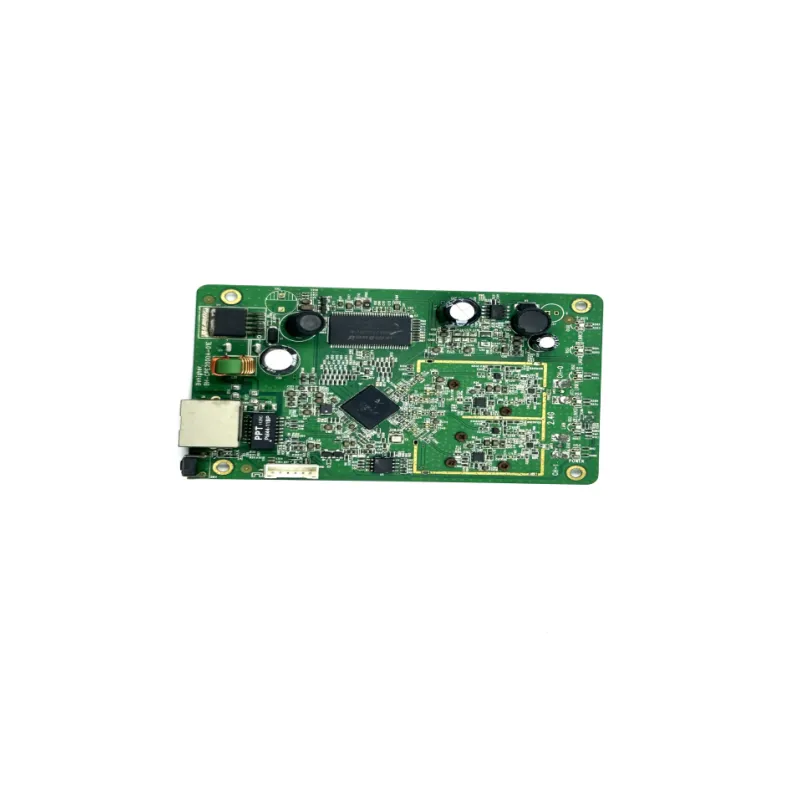
PCB prototype assembly service is a specialized offering that focuses on transforming design files into functional prototype PCBs, catering to the needs of engineers, startups, and R&D teams. This service emphasizes flexibility, speed, and precision to support the iterative nature of prototype development. The process begins with receiving the client's design data, including gerber files and BOM. Prototype assembly providers first perform a design rule check to ensure compatibility with their manufacturing capabilities. They then assist with component sourcing, especially for hard to find or low quantity components, leveraging their network of suppliers to secure samples or small batch orders. This is crucial in prototyping, where components may be in pre production stages or have limited availability. Assembly of prototype PCBs involves a mix of automated and manual processes. Automated pick and place machines are used for standard components to ensure speed and accuracy, while manual placement and soldering may be employed for unique or delicate components that require human dexterity. For example, components with unusual footprints or those that need to be positioned at specific angles may be placed manually to meet the design requirements. Quality assurance in PCB prototype assembly includes thorough inspection at each stage. Incoming components are checked for authenticity and specifications, PCB fabrication is verified for dimensional accuracy and trace integrity, and post assembly inspection uses a combination of AOI, X ray, and manual visual checks. Functional testing is customized to the prototype's intended use, ranging from simple continuity tests to complex signal analysis, depending on the project's requirements. One of the key advantages of PCB prototype assembly services is the ability to accommodate design changes even after production has started. If a client identifies a design flaw or needs to modify component placement, the assembler can quickly adjust the process, often without significant delays or additional costs. This flexibility is invaluable in the prototyping phase, where design iterations are common. These services also offer various options for prototype complexity. Whether it's a simple single layer board for a basic circuit or a high density multilayer board with advanced routing for a high speed digital system, prototype assemblers have the expertise and equipment to handle it. They can also work with different PCB materials, such as FR4, Rogers, or flexible substrates, to meet the specific performance needs of the prototype. Ultimately, PCB prototype assembly service bridges the gap between conceptual design and physical realization, providing a reliable and efficient way to bring new ideas to life. By combining technical expertise, flexible processes, and a focus on customer collaboration, these services empower innovators to test, refine, and validate their designs effectively.
 EN
EN