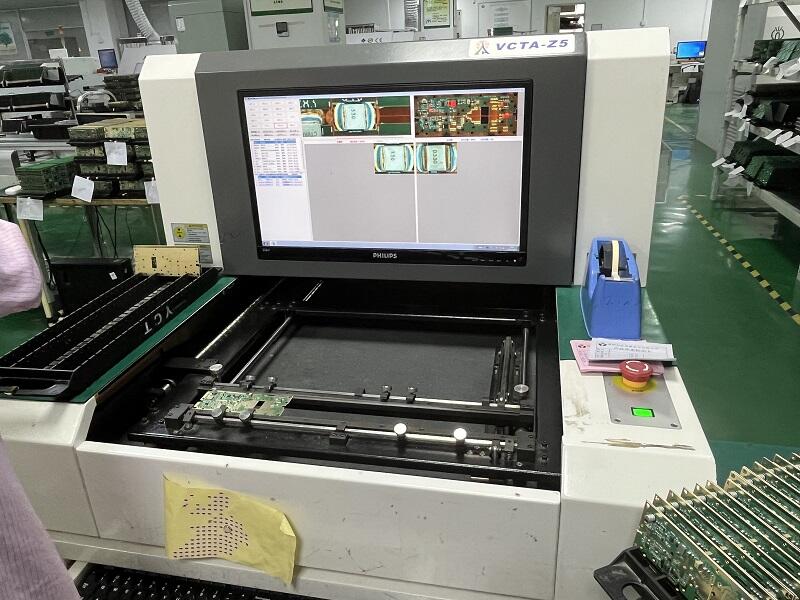
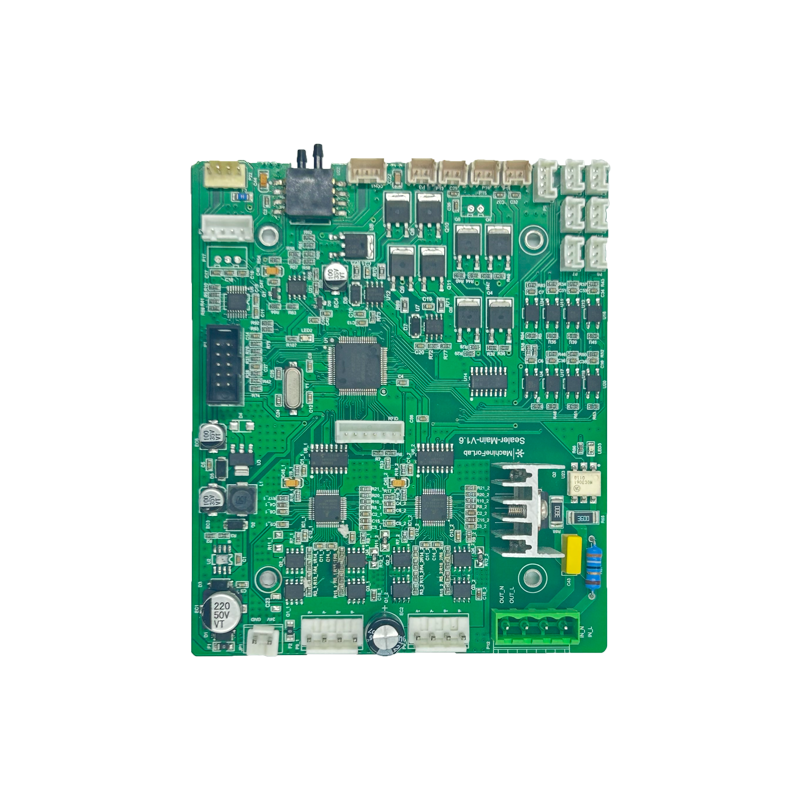
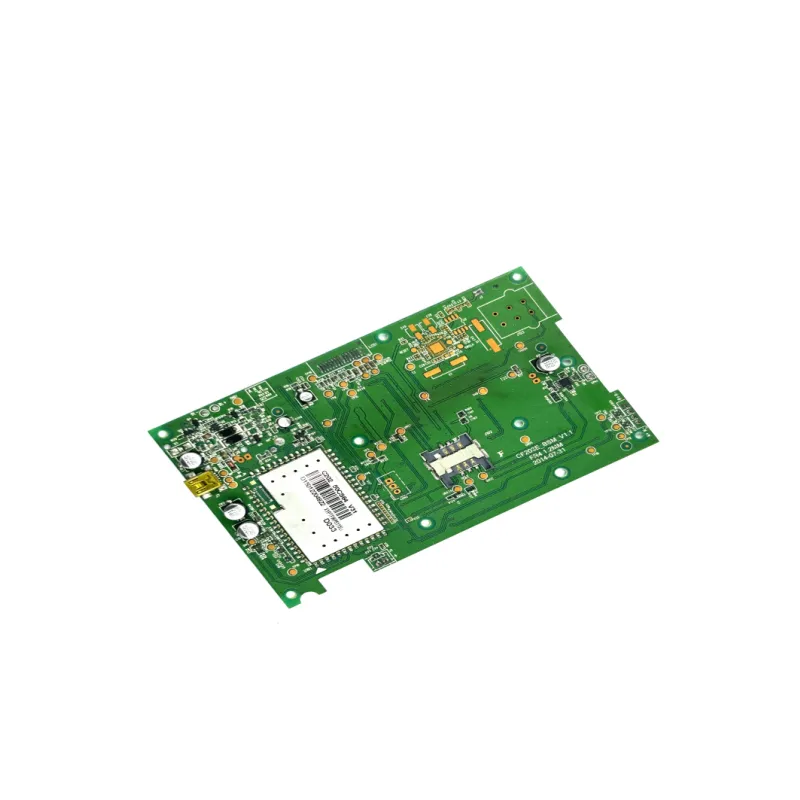
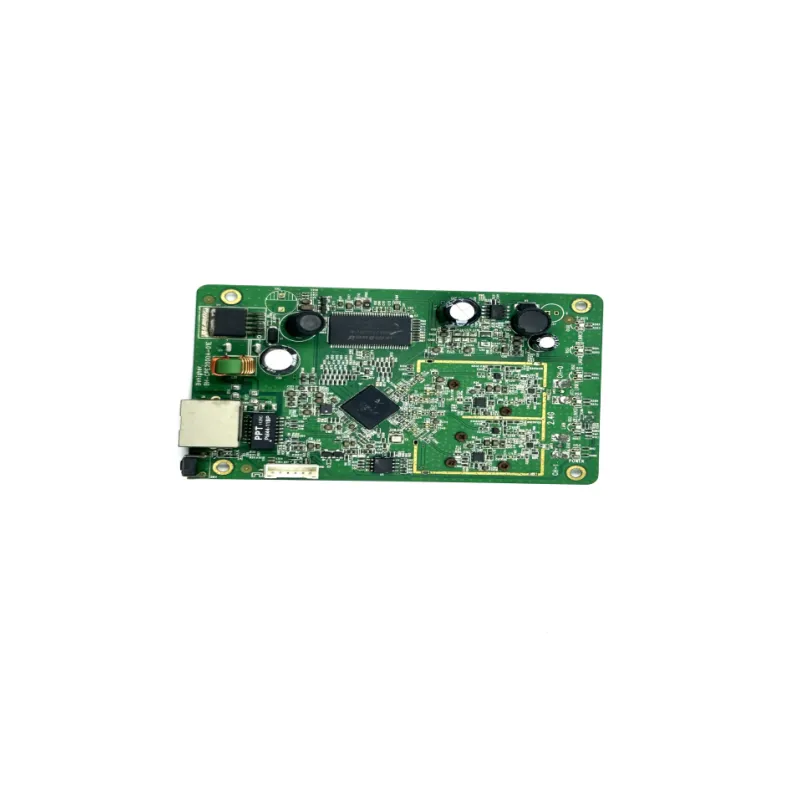
Multi layer PCB assembly is a specialized area within the PCB manufacturing and assembly industry, catering to applications that require high density interconnects, complex routing, and advanced electrical performance. A multi layer PCB consists of multiple layers of conductive traces separated by insulating materials, which allows for a greater number of components to be integrated and more intricate circuit designs to be realized. The assembly process for multi layer PCBs is more complex compared to single or double layer boards. It begins with the careful fabrication of each individual layer, which involves processes such as copper deposition, photo imaging, and etching. These layers are then precisely aligned and laminated together using high pressure and high temperature processes to form the multi layer structure. After lamination, vias are drilled and plated to create electrical connections between the different layers. When it comes to component assembly on multi layer PCBs, the same SMT and THT techniques are employed, but with additional considerations. Due to the higher component density, precise component placement is even more critical to avoid interference and ensure proper electrical connections. High frequency applications often require multi layer PCBs with controlled impedance, which means that the trace widths, spacing, and layer stack up must be carefully designed and maintained during assembly. Testing multi layer PCBs is also more challenging. In addition to the standard AOI and X ray inspection methods used for single and double layer boards, multi layer PCBs may require more in depth electrical testing to verify the integrity of the inter layer connections. This can include techniques such as in circuit testing (ICT) and flying probe testing, which can detect open circuits, short circuits, and incorrect component values. Multi layer PCB assembly is widely used in various high tech industries, such as telecommunications, aerospace, military, and high performance computing. In telecommunications, multi layer PCBs are used in base stations and network equipment to handle high speed data transmission. In aerospace and military applications, they are required to meet strict reliability and environmental standards, as they are used in critical systems such as avionics and missile guidance. Overall, multi layer PCB assembly is a highly specialized and demanding field that requires advanced manufacturing techniques, strict quality control, and in depth technical expertise.
 EN
EN