
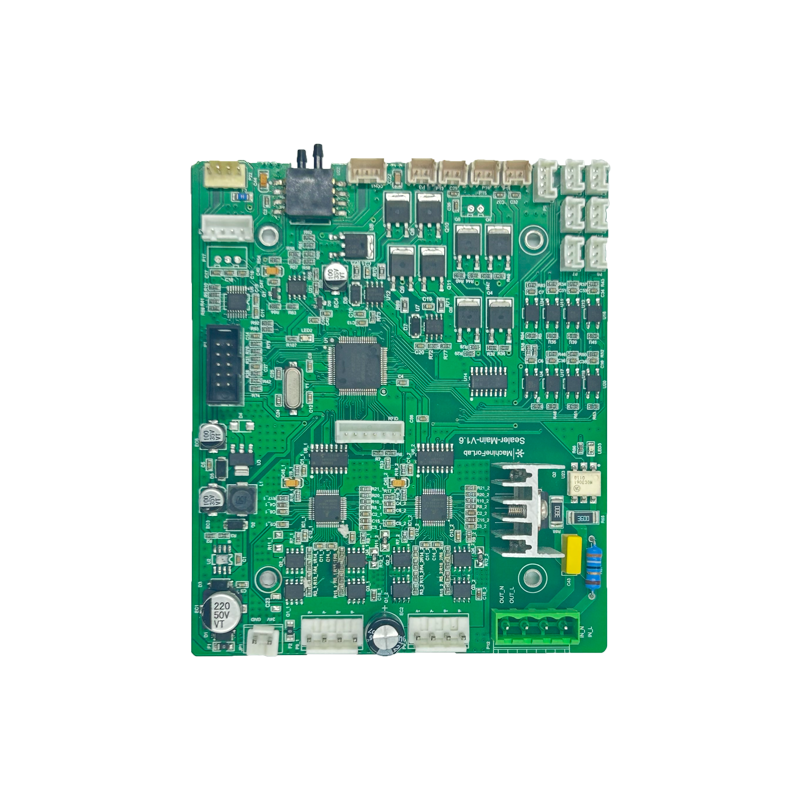
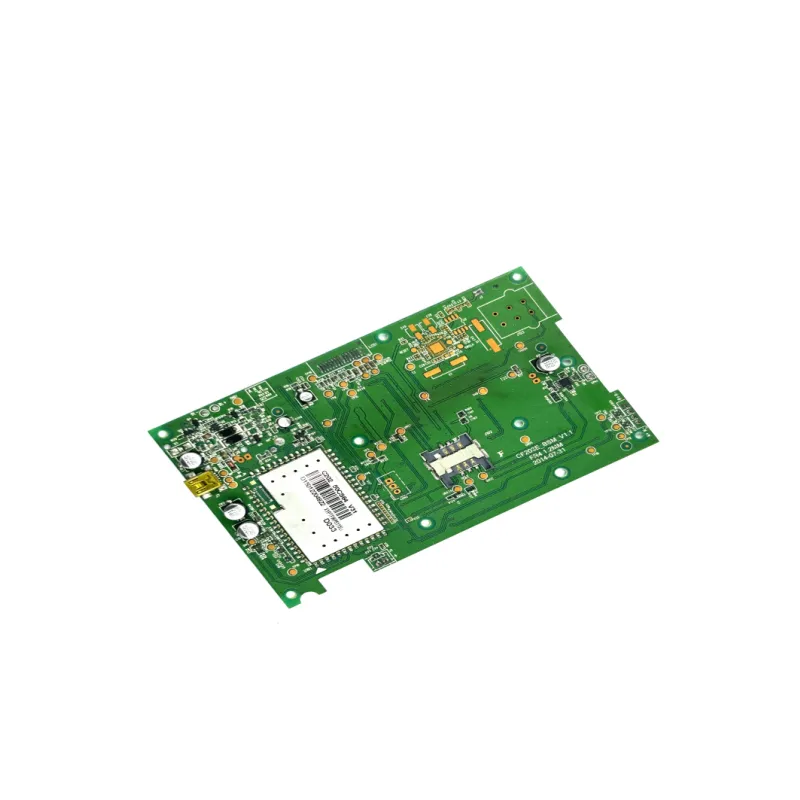
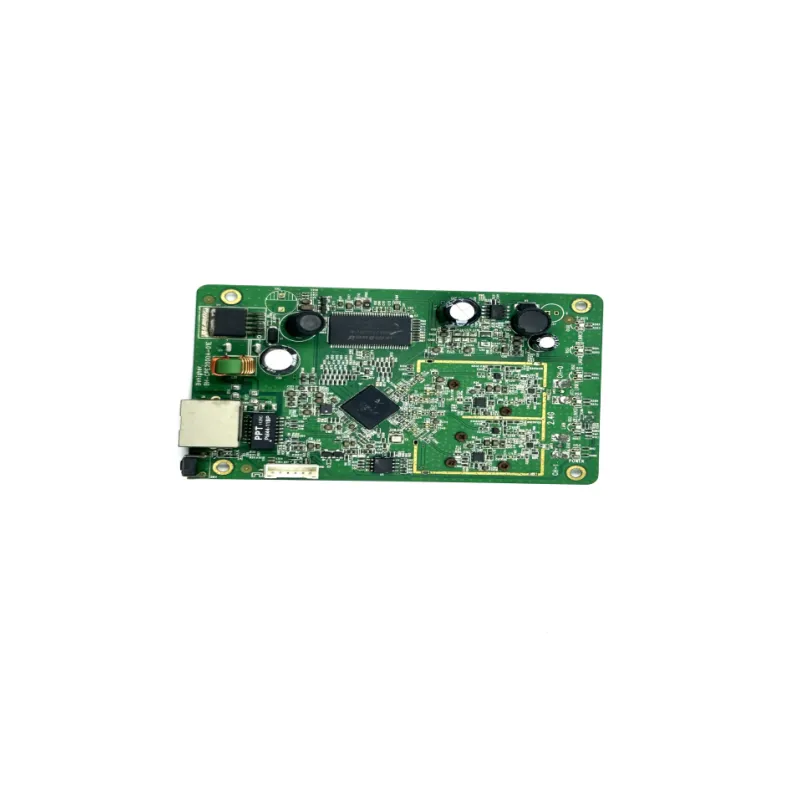
Prototype PCB assembly services are designed to support the research, development, and testing phases of electronic product design. These services focus on producing small batch PCBs (typically 1 to 100 units) that allow engineers to validate their designs, identify flaws, and make necessary adjustments before moving to mass production. Prototype PCB assembly providers understand the unique challenges of prototyping, such as frequent design changes, tight deadlines, and the need for flexibility. They offer quick turnaround times, often delivering assembled prototypes within 3 to 7 days, depending on the complexity. This speed is crucial for startups and R&D teams who need to iterate their designs rapidly to meet market demands. Technical capabilities in prototype assembly include handling a wide range of PCB types and components. They can work with single layer, double layer, or multilayer PCBs, including those with advanced features like impedance control, blind/buried vias, and microvias. Component placement covers both SMT and THT technologies, with the ability to handle rare or hard to find components, such as pre production ICs or custom designed parts. For delicate components like fine pitch BGAs (0.4mm pitch and below), prototype assemblers use precision placement machines and manual rework stations to ensure accurate installation. Quality control in prototype assembly is focused on ensuring the prototype accurately reflects the design intent. While automated inspection tools like AOI and X ray are used, manual inspection by skilled technicians is also common, especially for complex or one off designs. Functional testing is performed to verify key parameters such as power consumption, signal integrity, and component functionality, with detailed reports provided to the client to aid in design validation. Prototype PCB assembly services also offer design support, such as DFM reviews to identify potential manufacturing issues in the prototype design. They can suggest component substitutions for better availability or cost effectiveness during the prototyping phase, without compromising on performance. Additionally, some providers offer turnkey prototype solutions, including PCB fabrication, component sourcing, assembly, and testing, all under one roof, simplifying the prototyping process for clients. For industries such as IoT, medical devices, and aerospace, prototype PCB assembly services are indispensable. They allow engineers to test new concepts, optimize designs, and de risk mass production by identifying and resolving issues in the prototype stage. The combination of technical expertise, flexibility, and quick turnaround makes these services a vital part of the product development lifecycle.
 EN
EN