
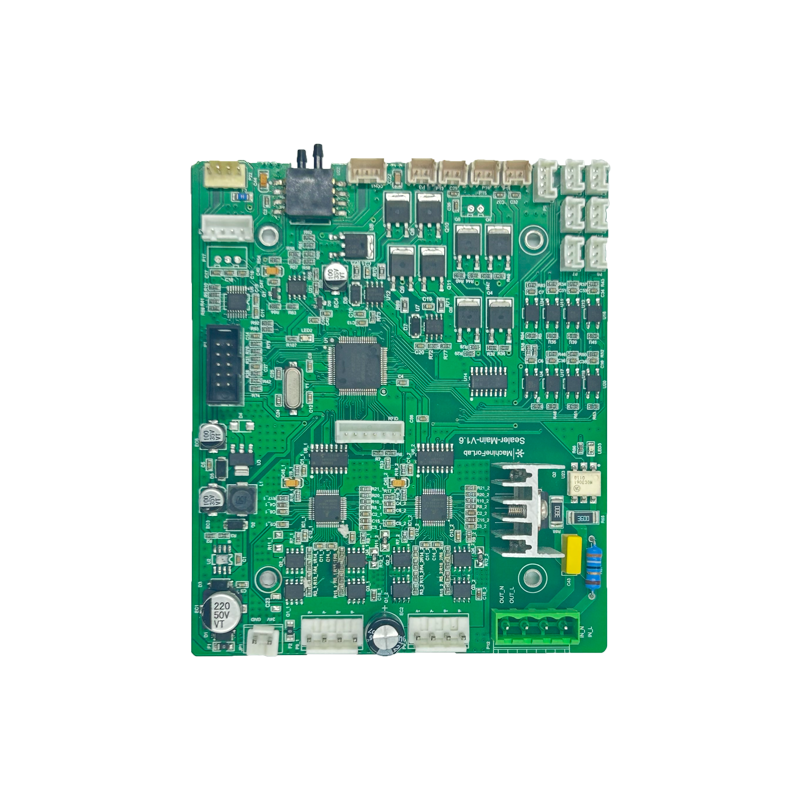
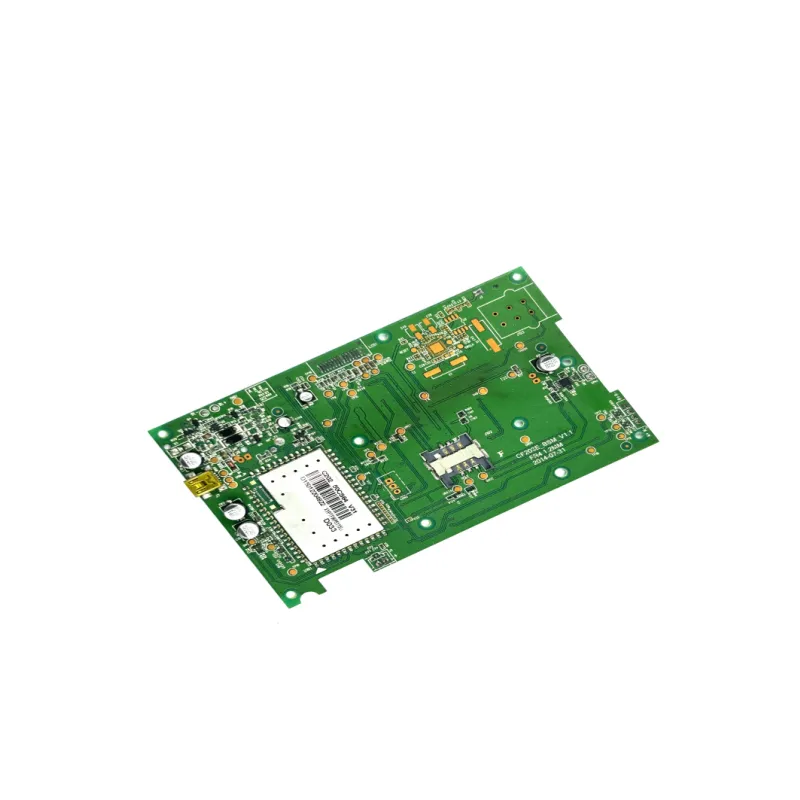
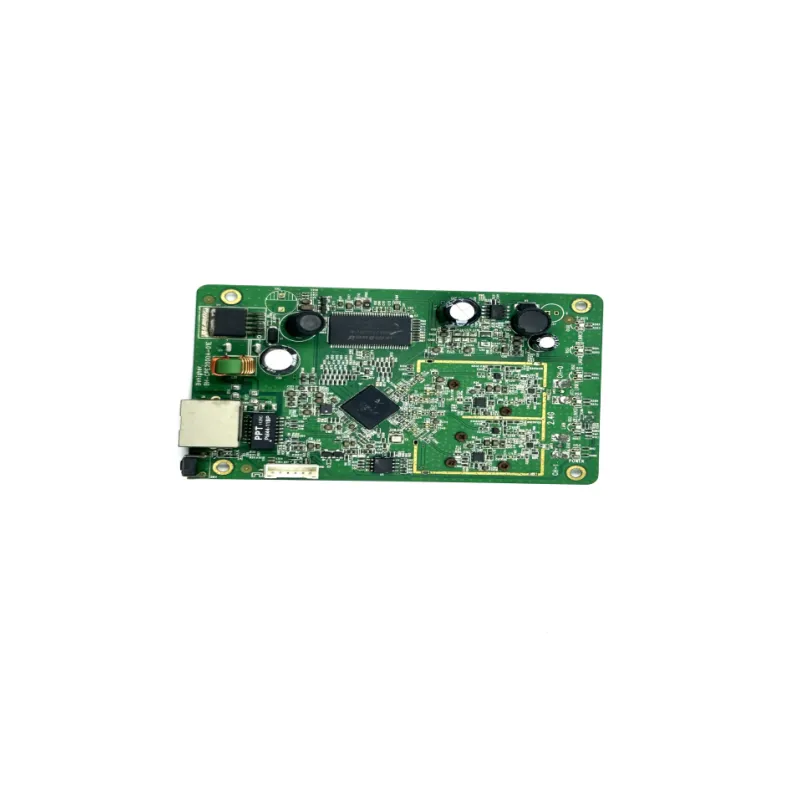
Multilayer PCB assembly, much like multi layer PCB assembly, is a complex and sophisticated process that enables the creation of highly integrated and high performance electronic circuits. The use of multiple layers in a PCB allows for a greater number of electrical connections and more complex circuit designs compared to single or double layer boards. The fabrication of multilayer PCBs involves several key steps. First, each individual layer is created through processes such as copper plating, photo imaging, and etching to form the desired circuit patterns. These layers are then carefully aligned and laminated together using prepreg materials, which are partially cured epoxy resins with glass fiber reinforcement. High pressure and high temperature processes are used during lamination to ensure a strong bond between the layers. After lamination, vias are drilled and plated to establish electrical connections between the different layers. During the assembly stage, surface mount technology (SMT) and through hole technology (THT) are used to attach components to the multilayer PCB. However, due to the increased component density and complexity of multilayer PCBs, more precise placement and soldering techniques are required. Special attention must be paid to component orientation, spacing, and alignment to avoid interference and ensure proper electrical performance. Testing multilayer PCBs is essential to ensure their functionality and reliability. In addition to standard visual inspection and automated optical inspection (AOI), more advanced testing methods such as X ray inspection, in circuit testing (ICT), and functional testing are often employed. X ray inspection is particularly useful for detecting hidden solder joint defects in components like ball grid arrays (BGAs), which are commonly used in multilayer PCB assemblies. ICT can quickly identify electrical faults such as open circuits and short circuits, while functional testing verifies the overall operation of the assembled PCB in a real world scenario. Multilayer PCB assembly is widely used in various industries, including telecommunications, aerospace, military, and consumer electronics. In telecommunications, multilayer PCBs are used in high speed data transmission equipment to handle complex signal processing. In aerospace and military applications, they are required to meet strict reliability and environmental standards, as they are used in critical systems such as navigation and control. In consumer electronics, multilayer PCBs enable the miniaturization and high performance of devices such as smartphones, tablets, and laptops.
 EN
EN