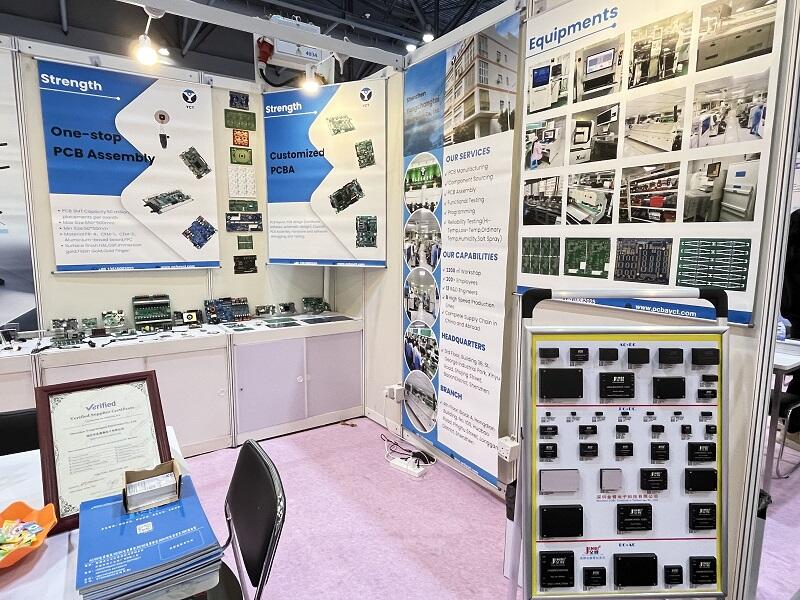
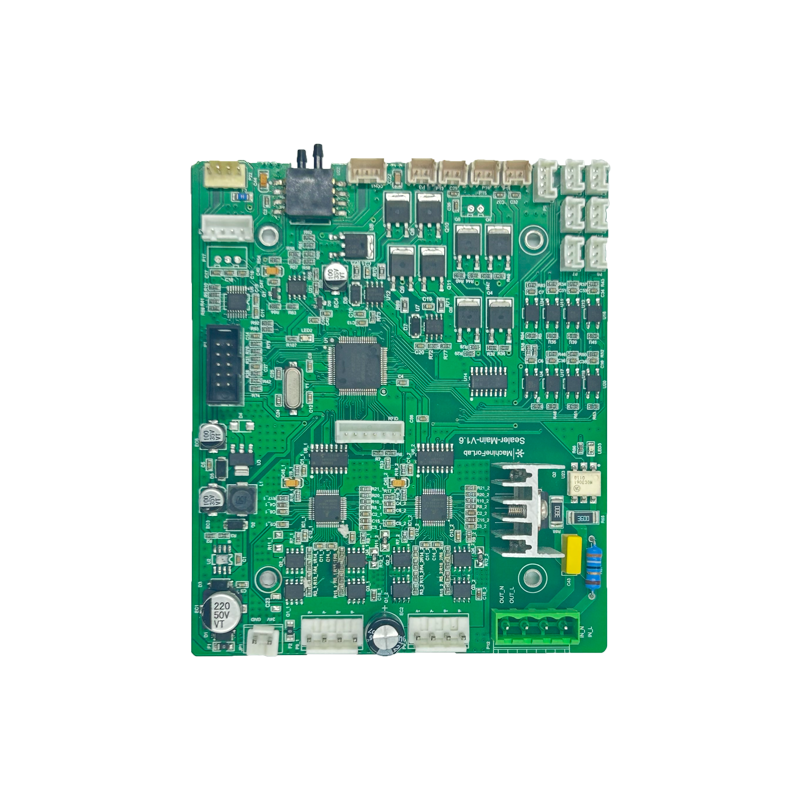
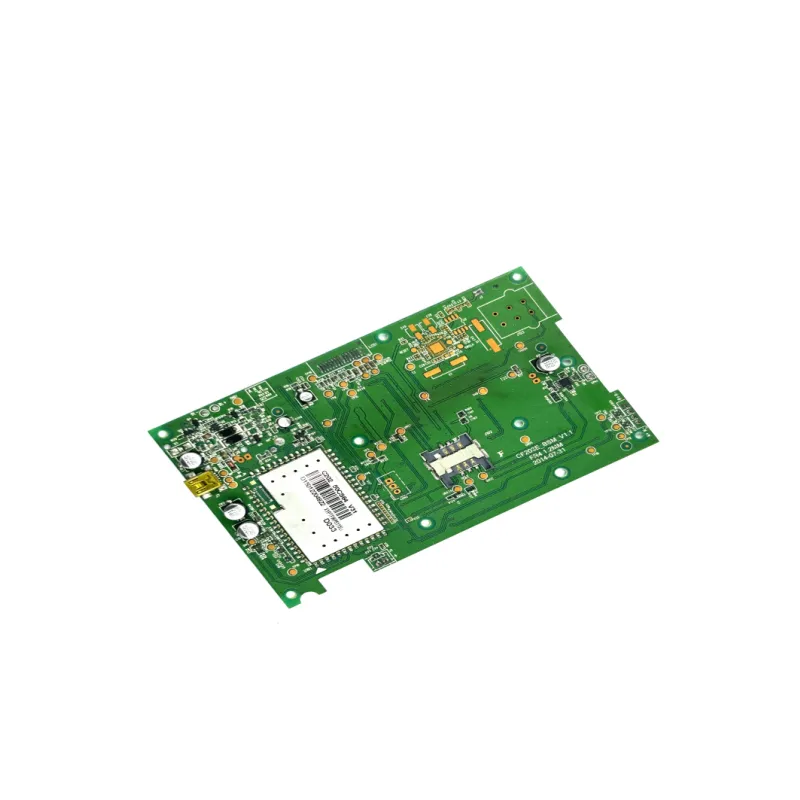
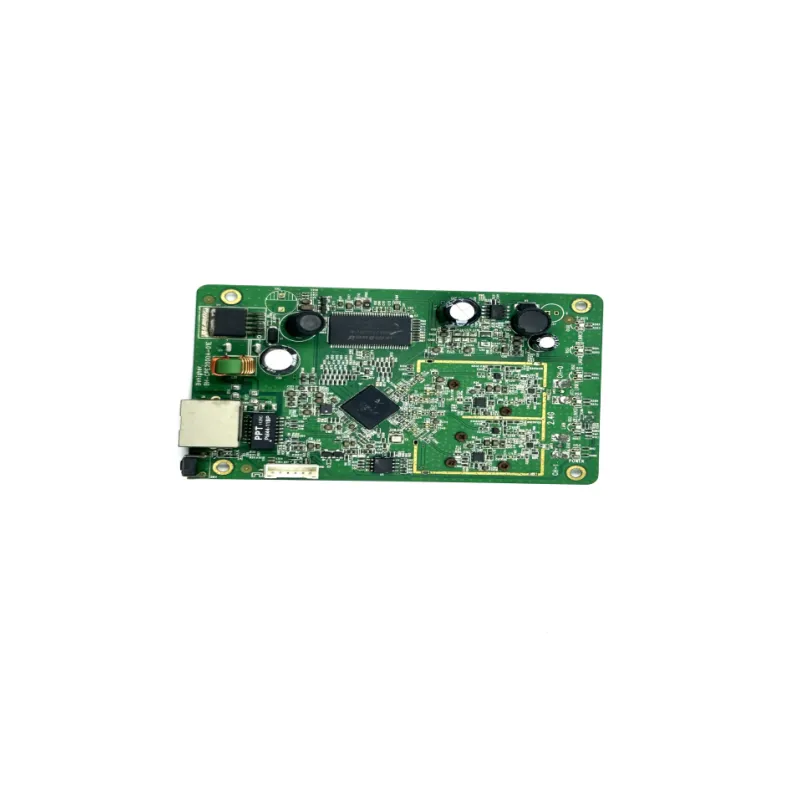
Medical PCBA (Printed Circuit Board Assembly) caters to the unique and stringent requirements of the medical device industry, where reliability, safety, and regulatory compliance are of utmost importance. Medical devices, ranging from implantable devices to diagnostic equipment, demand PCBs that can operate flawlessly in critical environments, often with strict size, weight, and power constraints. Regulatory compliance is a cornerstone of medical PCBA. Assemblers must adhere to standards such as ISO 13485 (Quality Management Systems for Medical Devices), IEC 60601 (Electrical Safety for Medical Equipment), and FDA regulations (for devices sold in the US). This involves meticulous documentation, traceability of components and processes, and rigorous testing to ensure the PCBs meet biocompatibility, sterilization, and environmental resistance requirements. Component selection in medical PCBA is highly specialized. Components must have proven reliability, long operational lifespans, and often need to be compatible with sterilization methods such as ethylene oxide or autoclaving. For implantable devices, components must be biocompatible and capable of operating in body temperature environments for extended periods. Assemblers work closely with clients to source components from qualified suppliers, ensuring they meet the specific needs of the medical application. Assembly processes for medical PCBA emphasize precision and cleanliness. Anti static measures are strictly enforced to protect sensitive components, and controlled environments (such as cleanrooms for implantable devices) are used to minimize contamination. Advanced techniques like conformal coating are applied to protect PCBs from moisture, dust, and chemical agents, while underfill is used for BGAs to enhance mechanical stability and thermal performance. Testing in medical PCBA goes beyond standard electrical tests. In addition to AOI, X ray, and functional testing, medical PCBs may undergo environmental stress screening, such as temperature cycling, humidity testing, and vibration testing, to simulate real world use conditions. Biocompatibility testing is also performed for implantable devices to ensure no adverse reactions with body tissues. Medical PCBA providers often have specialized expertise in miniaturization, as many medical devices require compact designs. They can handle high density assemblies with microvias, HDI structures, and flexible PCBs to fit into space constrained devices like wearable health monitors or minimally invasive surgical tools. Overall, medical PCBA is a highly regulated and technically demanding field that requires a deep understanding of medical device requirements, strict quality control, and a commitment to patient safety. By adhering to these standards, medical PCBA providers ensure that the electronic systems in medical devices are reliable, safe, and compliant, supporting the advancement of healthcare technology.
 EN
EN